Women’s Commission Session Report in Meerut
Date: May 31, June1-2, 2024
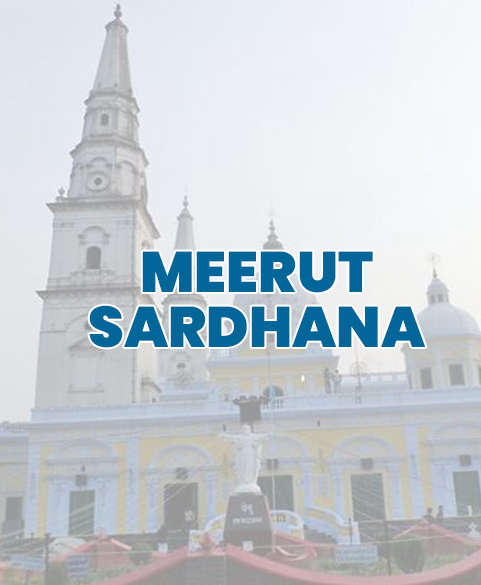
Location: Meerut Sardhana
Attendees: All the Dioceses of Agra Region
Facilitator: Ms.Pancy Thomas, Regional Secretary
Session 1: Empowerment
Speaker: Fr.Johnson
Overview
The first session of the meeting focused on the theme of empowerment, particularly in the context of women’s empowerment. The discussions aimed to identify and understand different types of people, highlight areas where women excel compared to men, differentiate between equality and equity, and explore the concept of love languages.
Empowerment
- Definition: Empowerment is the process of gaining confidence, control, and the ability to make decisions that affect one’s life positively.
- Importance: Empowerment is crucial for personal growth, professional success, and community development.
- Strategies for Empowerment:
- Education and skill development.
- Mentorship and networking.
- Creating supportive environments.
Three Types of People
- Creators (People Who Bring Something):
- These individuals are proactive, innovative, and take initiative to create change. They are often seen as leaders and visionaries.
- Observers (People Who See Things Happen):
- These individuals watch and observe events and changes around them but do not actively contribute. They are aware but not actively involved.
- Unaware (People Who Have No Idea About What Is Happening):
- These individuals are disengaged and unaware of the events and changes occurring around them. They are often disconnected and uninvolved.
Areas Where Women Excel Compared to Men
- Empathy and Emotional Intelligence:
- Women often display higher levels of empathy and emotional intelligence, enabling them to understand and manage their own emotions and those of others effectively.
- Verbal Communication:
- Women are generally more skilled in verbal communication, which includes articulating thoughts clearly and engaging in meaningful conversations.
- Engagement in Social Connections:
- Women tend to invest more in building and maintaining social connections, fostering strong relationships and networks.
- Responsibility and Commitment:
- Women are often seen as highly responsible and committed, both in their personal and professional lives.
- Nurturing and Caring:
- Women excel in nurturing and caring roles, providing emotional support and care to others.
- Sensitivity to Moral Issues:
- Women are often more sensitive to moral and ethical issues, guiding their decisions and actions.
- Multitasking:
- Women have a strong ability to manage multiple tasks simultaneously, which is beneficial in both home and work environments.
- Intra-personal and Interpersonal Intelligence:
- Women often exhibit strong intra-personal (self-awareness) and interpersonal (understanding others) intelligence.
- Long-term Planning:
- Women tend to excel in long-term planning and strategic thinking, allowing them to set and achieve long-term goals.
- Support Seeking:
- Women are more likely to seek and provide support, creating strong support networks.
- Flexibility:
- Women often show greater flexibility in adapting to new situations and challenges.
- Resilience:
- Women tend to be highly resilient, showing strength and perseverance in the face of adversity.
Equality vs. Equity
- Equality: Treating everyone the same, providing the same resources and opportunities regardless of individual circumstances.
- Equity: Providing resources and opportunities based on individual needs and circumstances to ensure fair outcomes.
- Key Difference: While equality ensures uniformity, equity ensures fairness by acknowledging and addressing individual differences and needs.
Love Languages
- Words of Affirmation: Expressing love through verbal compliments, appreciation, and encouraging words.
- Acts of Service: Demonstrating love through actions that help and support the loved one.
- Receiving Gifts: Showing love by giving thoughtful gifts that reflect care and attention.
- Quality Time: Spending meaningful time together, providing undivided attention and engaging in shared activities.
- Physical Touch: Expressing love through physical affection, such as hugs, kisses, and other forms of touch.
Session 2: Joyful Families – Treasure of the Church
Speaker: Rev. Bishop. Joseph Kallarackal
Overview
This session centered on the theme of joyful families, emphasizing their importance as the cornerstone of the church and community. Discussions focused on practical ways to foster happiness and harmony within families.
Key Points
- Family as a Core Unit: The vital role of families in the church and society.
- Healthy Relationships: Building healthy relationships through effective communication, mutual respect, and love.
- Church Support: The church’s role in providing spiritual, emotional, and practical support to families.
How to Make a Family Happy?
- Self-Adjustment and Adaptability
- Emphasize the importance of flexibility and openness to change within family dynamics.
- Encourage family members to adapt to new situations and challenges.
- Wealth Can’t Supply Peace and Happiness
- Discuss the misconception that material wealth equates to happiness.
- Highlight the importance of emotional and spiritual wealth.
- Time is Precious
- Stress the value of spending quality time together.
- Encourage balancing work and family life to ensure meaningful interactions.
- Health is Wealth
- Promote healthy lifestyles and regular medical check-ups.
- Emphasize the link between health and overall family happiness.
- Be a Good Listener and Speak Prudently
- Encourage active listening and thoughtful communication.
- Teach strategies for effective communication to avoid misunderstandings.
- Compassion and Pity
- Foster empathy and compassion within family interactions.
- Differentiate between compassion and pity, emphasizing the constructive nature of compassion.
- Accept Corrections Lovingly
- Highlight the importance of receiving and giving feedback with love and respect.
- Teach strategies for accepting corrections positively and offering constructive criticism.
Session 3: Vision, Mission, and Goal
Speaker: Veena Michael
Vision Statement-Liberated, Empowered, Spiritually Nourished women in the society
Mission Statement-Liberate women from various bondages, strengthenthem with spiritual values and empower them ineconomic, social, political and cultural spheres.
Goal-Strong and sustainable women cell
- By 2025, all the existing women cell will be revitalized and self- sufficient.
Strategy:
The existing cell members will be made aware of theguidelines given by the CCBI Women’s Commission
Activity:Seminar, Workshop
- By 2025, every Region, Diocese, Deanery, Parish and Sub-station will have an organized Women’s Cell.
Strategy:
1: Spreading awareness among the hierarchy (Region to Parish)
- Awareness programmes on Constitutionalrights, human rights, Gender policy.
2: Spreading awareness among women leaders in the region, Diocese and Parish level.
- Collaboration with Family Commission, YouthCommission and Laity Commission and otherChurch organization.
Activity:
- Personally meeting the hierarchy.
- Awareness Programmes, seminars, workshops and capacity building.
- Material be to prepared and distributed in local languages.
- A Society where women and men enjoy equal rights and equal status valuing the differences
Strategy:
- Awareness programmes on Constitutional rights, human rights, Gender policy.
2.Collaboration with Family Commission, YouthCommission and Laity Commission and otherChurch organization.
Activity:
Workshops, Rallies, Articles in Diocesan Newsletters, Meeting parents during PTM in the schools, celebrations of important days (Women’s day, Mother’s Dayetc.)
- Women to be rooted in Christ and formed in spiritual values
Strategy:
Realization of what it means to be a Christianin the sense what the Pope calls to be a
Missionary disciple.
Activity:
Every cell meeting will have a Bible readingand reflection, Retreat for women, Study ofthe apostolic exhortations, weekend retreats, Pilgrimages, Night vigils etc.
- Women are to be socially, economically, culturally and politically empowered
Strategy:
Real knowledge of different schemes available to the members.
Activity:
Leaders help the members to assist the needywomen to avail government schemes.
Awareness sessions, linking people to government offices, identifying the needy members, networking with government departments etc.
Goal
1. By 2025, 35% of the women will be made aware of their Constitutional and other rights
Strategy
Awareness programme on Constitutional rights, Human rights, Civil rights, Panchayat Raj institution, Tribal rights, POSCO awareness, Minority rights etc.
Activity:
Awareness programmes, Street plays, Flash mobs, Puppet shows, Commemoration of National days, Linkage with Panchayat, Interaction withprofessionals (IAS, IPS, Lawyers)
2. By 2025, 30% of the women will be encouraged to nurture positive customs
Strategy
Creating awareness about what is positive and negative in customs and cultures.
Activity:
- Creating awareness about preservation andpractice of good customs and cultures.
- Cultural day, Traditional dresses, Village day, Celebrating Festivals, Traditional meals, Herbalmedicines, homemade remedies etc.
Session 4: Breast Cancer and Cancer Survival
Speaker: Dr.E.M.Robert
Overview
This session focused on breast cancer and cervical cancer, providing comprehensive information on prevention, early detection, treatment, and support for survivors. The session aimed to raise awareness and offer practical strategies to manage and overcome these cancers.
Key Points
Breast Cancer
- Awareness and Prevention:
- Importance of regular self-examinations and mammograms.
- Risk factors such as age, genetics, lifestyle, and hormonal factors.
- Preventative measures including a healthy diet, regular exercise, and avoiding tobacco and excessive alcohol.
- Early Detection:
- Symptoms to watch for, including lumps, changes in breast shape, skin dimpling, and nipple discharge.
- The role of regular screenings in early detection and improved survival rates.
- Treatment Options:
- Overview of treatment modalities such as surgery, radiation therapy, chemotherapy, hormone therapy, and targeted therapy.
- Discussion on the importance of personalized treatment plans based on the stage and type of cancer.
- Support for Survivors:
- Emotional and psychological support for patients and their families.
- The importance of support groups and counselling services.
- Resources available for financial assistance and rehabilitation.
Cervical Cancer
- Awareness and Prevention:
- Role of HPV (Human Papillomavirus) in the development of cervical cancer.
- Importance of HPV vaccination in preventing cervical cancer.
- Regular Pap smears and HPV tests as critical tools for early detection.
- Early Detection:
- Symptoms to be aware of, including abnormal vaginal bleeding, pelvic pain, and pain during intercourse.
- The significance of regular gynecological exams in early detection.
- Treatment Options:
- Treatment approaches such as surgery (e.g., hysterectomy), radiation therapy, chemotherapy, and targeted therapy.
- Importance of early-stage detection for better treatment outcomes.
- Support for Survivors:
- Emotional and psychologicf cervical cancer and the need for support.
- Availability of support groups, counseling, and rehabilitation services.
- Resources for managing the long-term effects of treatment and maintaining quality of life.
.Conclusion
The meeting was highly informative and interactive, providing valuable insights and practical strategies across all sessions. The attendees left with a sense of empowerment and a commitment to apply the knowledge and strategies discussed to their personal lives and community activities.
Mrs. Sheeja Antony
Secretary, Women’s Commission Jaipur